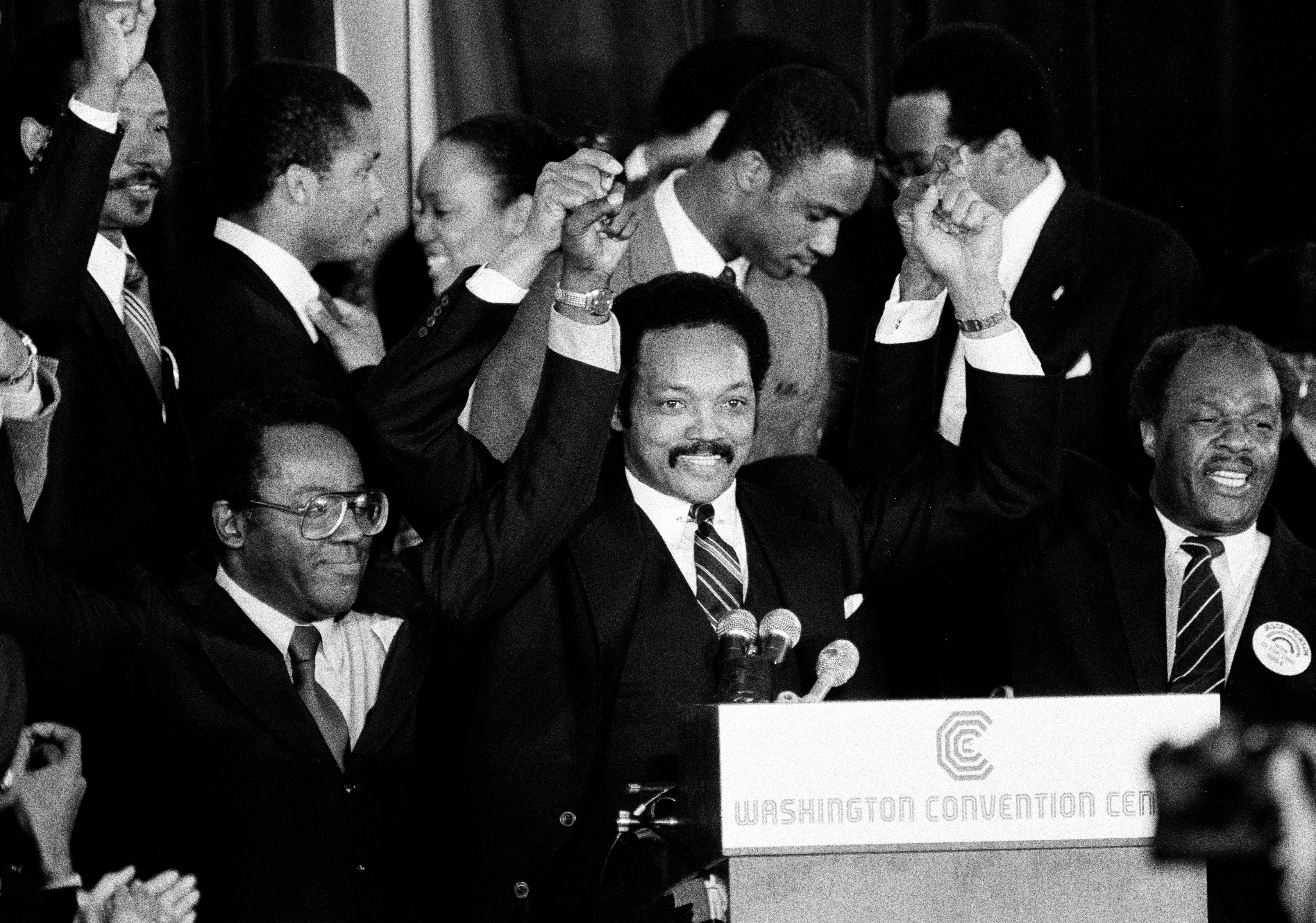
The Chairperson of the African Union Commission, Mahmoud Ali Youssouf, has joined global leaders in mourning the passing of American civil rights leader Jesse Jackson, who died at the age of 84, highlighting his enduring relationship with Africa, including Ethiopia.
In a press statement issued from Addis Ababa, the African Union described Jackson as a towering global figure whose lifelong activism for justice, equality, and human dignity closely aligned with Africa’s struggles against colonialism, racial discrimination, and political exclusion.
Jackson, founder of the Rainbow/PUSH Coalition and a close associate of Martin Luther King Jr., played a crucial role in advancing civil rights in the United States while strengthening cultural and political connections between African Americans and the African continent.
The African Union noted that Jackson helped popularize the term “African American” during the 1980s, reinforcing historical identity and heritage among people of African descent. He consistently promoted stronger partnerships between Africa and its diaspora, viewing them as essential partners in economic development, political cooperation, and cultural unity.
According to the statement, Jackson maintained strong solidarity with African liberation movements and supported the global fight against apartheid, contributing to international pressure that ultimately dismantled racial segregation systems in Southern Africa. His advocacy for fairness in global governance and reparative justice also aligns with the priorities of the African Union, particularly efforts addressing historical injustices linked to slavery and colonial rule.
“Rev. Jesse Jackson’s life reflected the inseparable bond between Africa and its diaspora,” the AU Chairperson stated, emphasizing that Jackson viewed the Atlantic Ocean not as a barrier, but as a bridge connecting people through shared history and aspirations.
The African Union extended condolences to Jackson’s family, the government and people of the United States, and the global civil rights community, noting that his legacy will remain a powerful symbol of international solidarity and the continuing pursuit of equality and unity between Africa and its global diaspora.